




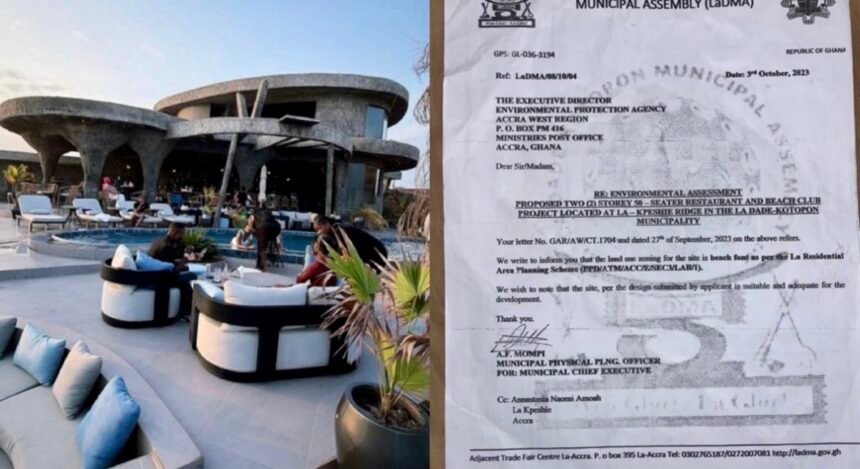
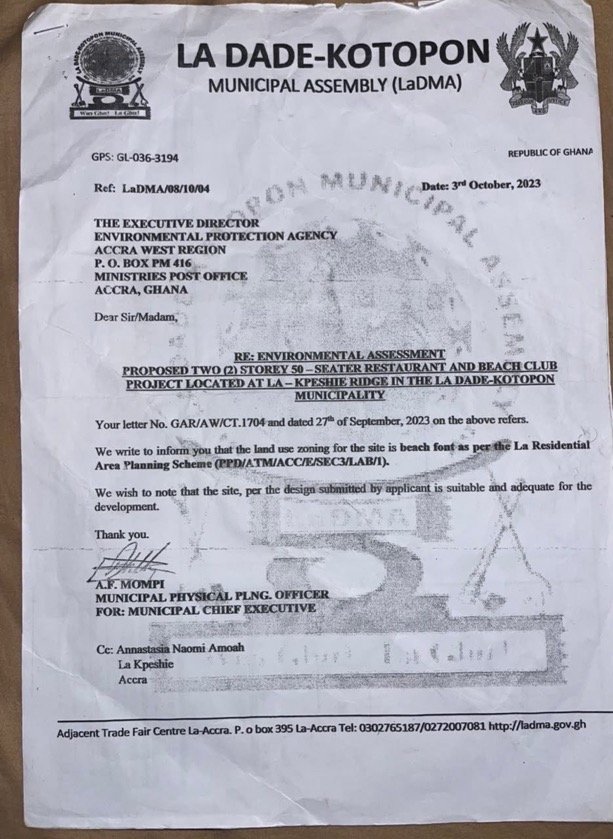
The La Dade Kotopon Municipal Assembly granted an Environmental Assessment Permit to ULA Beach Club just days before its demolition. Dated October 3, 2023, the letter, signed by the Municipal Physical Planning Officer, confirmed the establishment’s site as suitable for the proposed development. This official endorsement raises questions about the decision to raze the popular venue, known for its vibrant nightlife and events.
Local sources indicate the demolition occurred amid ongoing disputes regarding the club's compliance with environmental regulations. The ULA Beach Club, situated along the coastal stretch of Accra, has been a fixture since 2017, drawing crowds for its beach parties and music events. The sudden destruction of the venue has sparked outrage among patrons and local artists who frequently performed there.
Reports suggest that the demolition was executed without proper notice, leaving many in the community bewildered. The Environmental Protection Agency (EPA) had not publicly responded to the permit's approval or the subsequent demolition, nor have they clarified the reasons behind the abrupt action. The EPA's silence has fueled speculation among stakeholders about the motivations behind the demolition.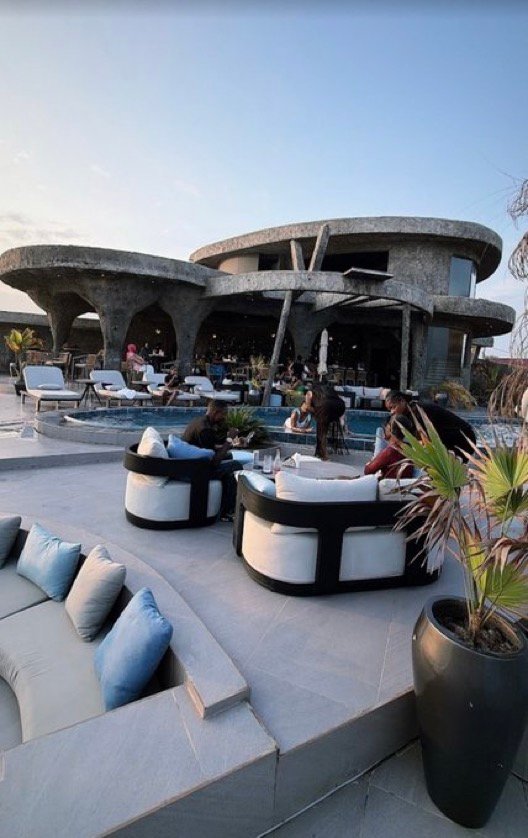
Local musicians and entertainers, including rising stars and established artists, have voiced their concerns over the loss of a space that fostered creativity and cultural expression. One performer, who regularly took the stage at ULA, lamented the impact on the local entertainment scene. "It’s more than just a club; it was a home for many artists," the performer said.
Related News
The letter from the Municipal Physical Planning Officer indicates that the site met the necessary criteria for development, which raises further questions about the criteria used for demolishing the venue. As the community grapples with the loss of ULA Beach Club, many are demanding transparency from local authorities regarding the decision-making process.
The permit's existence suggests that the venue had complied with local regulations prior to the demolition. This contradiction between the permit and the subsequent destruction has left many residents puzzled. Some community members are calling for an investigation into the circumstances surrounding the demolition, arguing that it reflects a broader issue of accountability within municipal governance.
Related News

The ULA Beach Club was not just a nightlife destination; it was a significant site for events featuring prominent Ghanaian artists. Stonebwoy and KiDi were among the artists who graced its stage, contributing to the club's reputation as a cultural hub. The loss of such a venue diminishes opportunities for artists to connect with audiences in a city that thrives on its music scene.
Community leaders have expressed their dismay over the demolition, suggesting that it represents a disregard for cultural spaces that foster community engagement. They argue that the local government should prioritize preserving such venues instead of hastily demolishing them without dialogue or due process.
As the dust settles on the rubble of ULA Beach Club, the local music and entertainment community faces an uncertain future. Artists are grappling with a diminishing number of spaces to perform, while patrons are left searching for new venues to fill the void left by ULA.
The letter dated October 3 provides an official acknowledgment of the club's viability, which adds another layer of complexity to the situation. The Municipal Assembly's decision to grant the permit just days before the demolition has raised alarms about the transparency of the local government's actions.


Protests have emerged from local artists and their supporters, demanding answers about the abrupt decision. The group is calling for a town hall meeting where residents can voice their concerns and demand accountability from local officials.
The future of entertainment venues in Accra hangs in the balance, as the community rallies around the need for preservation and respect for cultural spaces. The ULA Beach Club's demolition serves as a stark reminder of the fragility of artistic spaces in the face of bureaucratic decisions.
As the community continues to seek clarity, one thing remains apparent: the cultural landscape of Accra has lost a significant venue, leaving a void that will be difficult to fill.