





Ghana is aiming to produce 100,000 tonnes of tomatoes from over 10,000 acres of land under the newly launched Ghana Tomato Self-Sufficiency Initiative (GHATSI). Announced on Tuesday, September 15, in Anloga, Volta Region, the initiative seeks to reduce the country’s reliance on imported tomatoes.
The Ministry of Food and Agriculture (MoFA), in collaboration with FarmMate Limited, is spearheading this program. Ghana’s annual demand for tomatoes is approximately 805,000 metric tonnes. Current domestic production stands at about 510,000 metric tonnes, leaving a significant gap of nearly 300,000 metric tonnes.
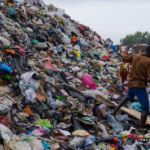
Post-harvest losses exacerbate the situation, with MoFA data indicating that about 30 percent of locally produced tomatoes—approximately 153,000 metric tonnes—are wasted after harvest due to inadequate handling and storage systems.
Eric Opoku, the Minister of Food and Agriculture, acknowledged the challenges. “We experience scarcity at one point and waste at another,” he said, emphasizing the need for a more reliable domestic supply chain.
Related News
GHATSI aims to establish a consistent year-round tomato value chain that connects farmers with vital resources such as irrigation, inputs, financing, insurance, processing, logistics, and guaranteed markets. This initiative is expected to address the seasonal nature of tomato production, which sees shortages particularly between December and July. Opoku noted that improving coordination throughout the production and marketing processes is essential for reducing waste and shortages.
The initiative outlines a strategy to increase production progressively to about 400,000 tonnes annually from more than 40,000 acres of land. Part of the surplus will be processed into products like tomato purée, allowing for value addition in the agricultural sector.
Related News

Farmers participating in GHATSI will benefit from a production financing package estimated at GH¢20,000 per acre. This financing will cover essential costs such as inputs, land preparation, soil testing, technical assistance, insurance, and other production needs. Repayment will occur through a structured off-take arrangement, where contracted buyers purchase produce directly from farmers after harvest.
In addition, farmers will have access to multi-peril crop insurance valued at GH¢50,000 per acre to protect against unforeseen contingencies that could damage their crops. A pension arrangement will also be introduced, allowing a portion of farmers’ income to be set aside after harvest to provide financial security in retirement.
Opoku confirmed that the government plans to rehabilitate all 22 existing irrigation facilities in the Volta Region by the end of 2027 to support dry-season tomato production and other agricultural activities. To further bolster these efforts, the government will provide two new excavators to the Volta Regional Coordinating Council for the dredging of lagoons, streams, and rivers, essential for irrigation purposes.
The first phase of GHATSI is projected to generate over 150,000 direct and indirect jobs, providing a significant boost to local economies. The broader objective remains to strengthen domestic tomato production, alleviate seasonal shortages, and reduce post-harvest losses, while creating stronger links between farmers, processors, and guaranteed markets.


With Ghana’s tomato sector facing both opportunity and challenge, GHATSI emerges as a concerted effort to transform the agricultural landscape. As the country grapples with fluctuating supply and demand, the initiative may well set a new course for tomato production in Ghana, addressing the dual issues of scarcity and waste head-on.
According to 3News.