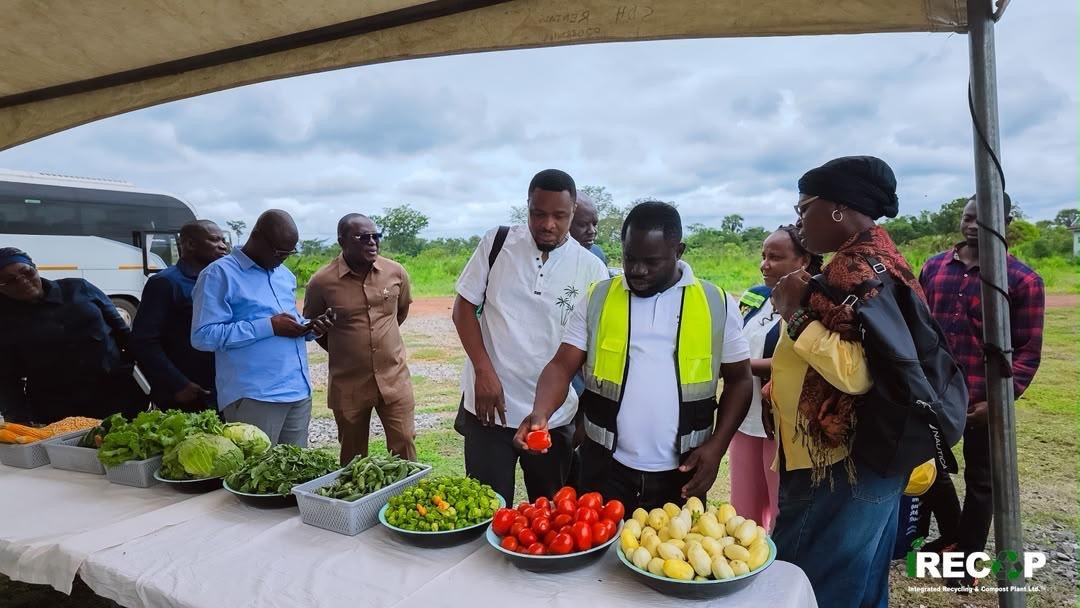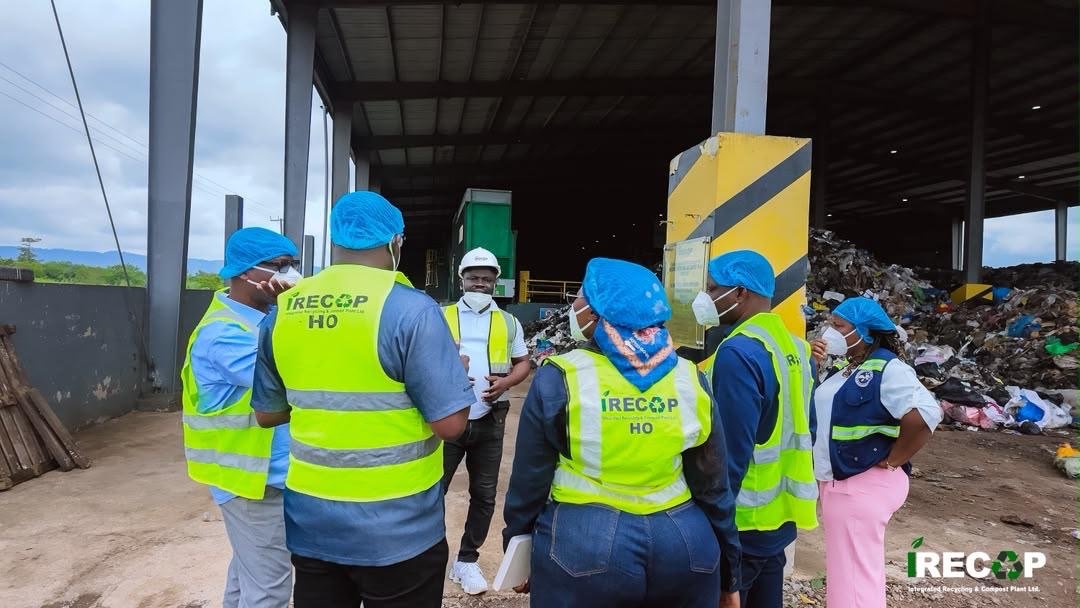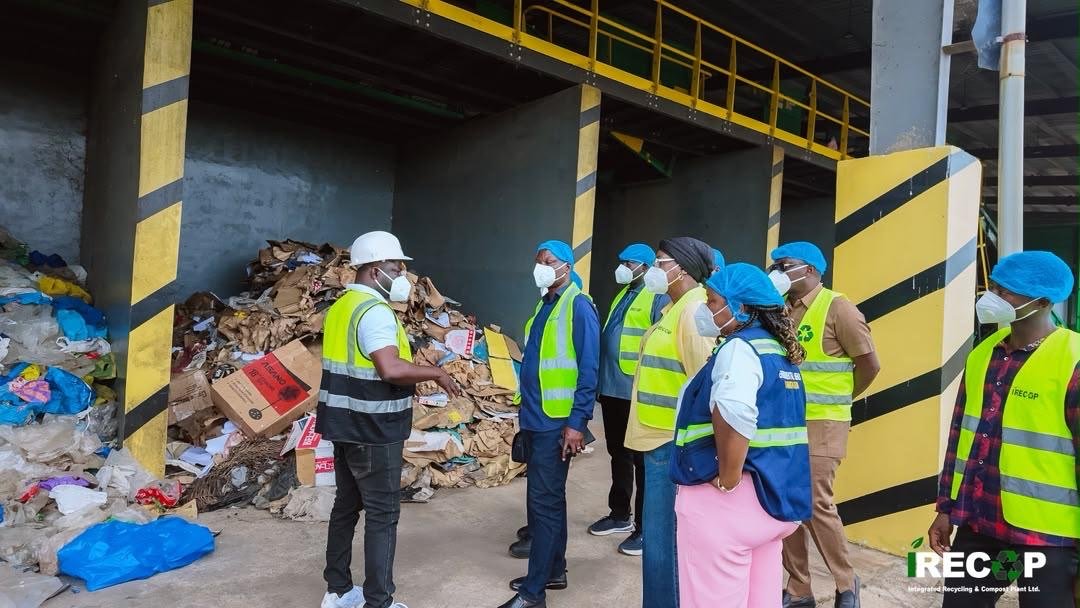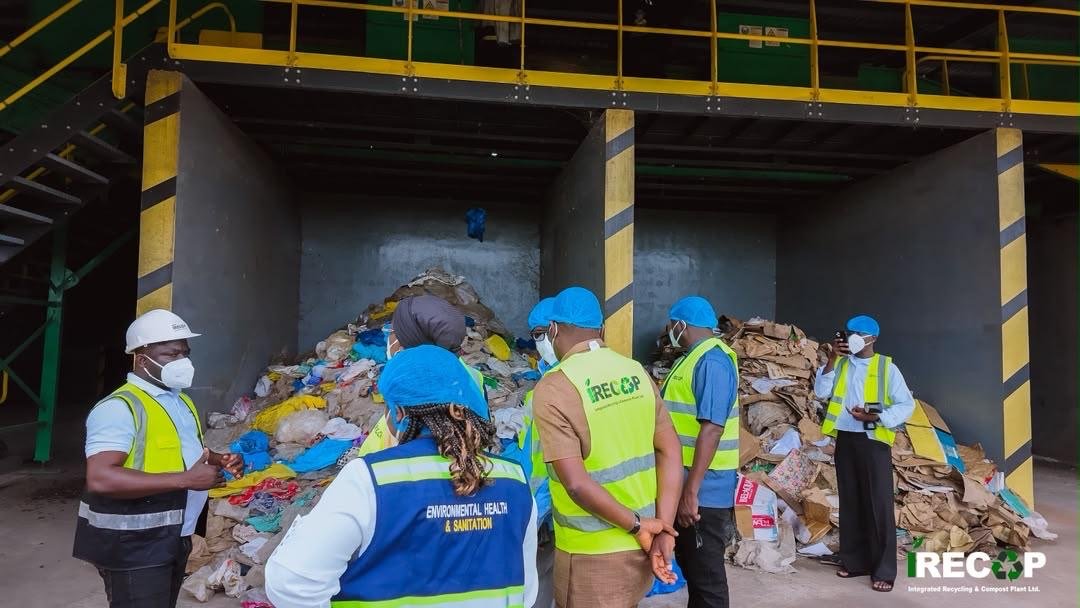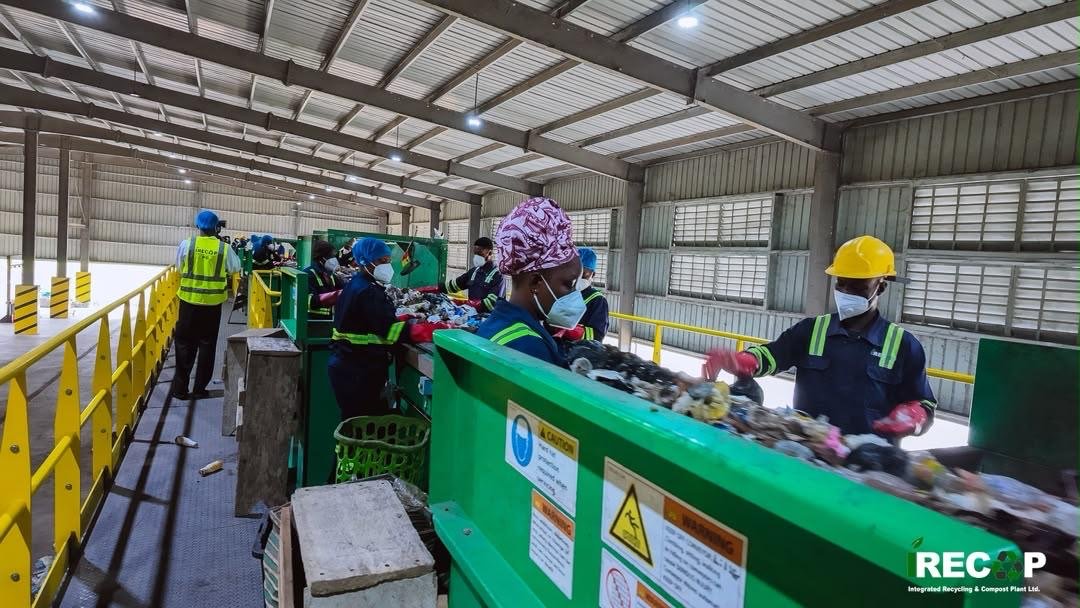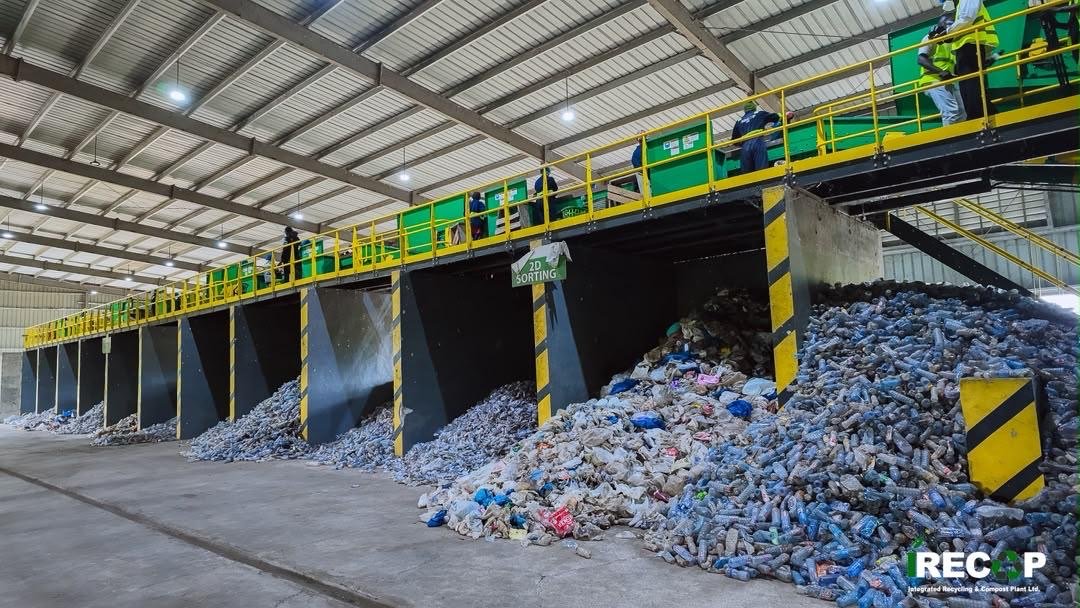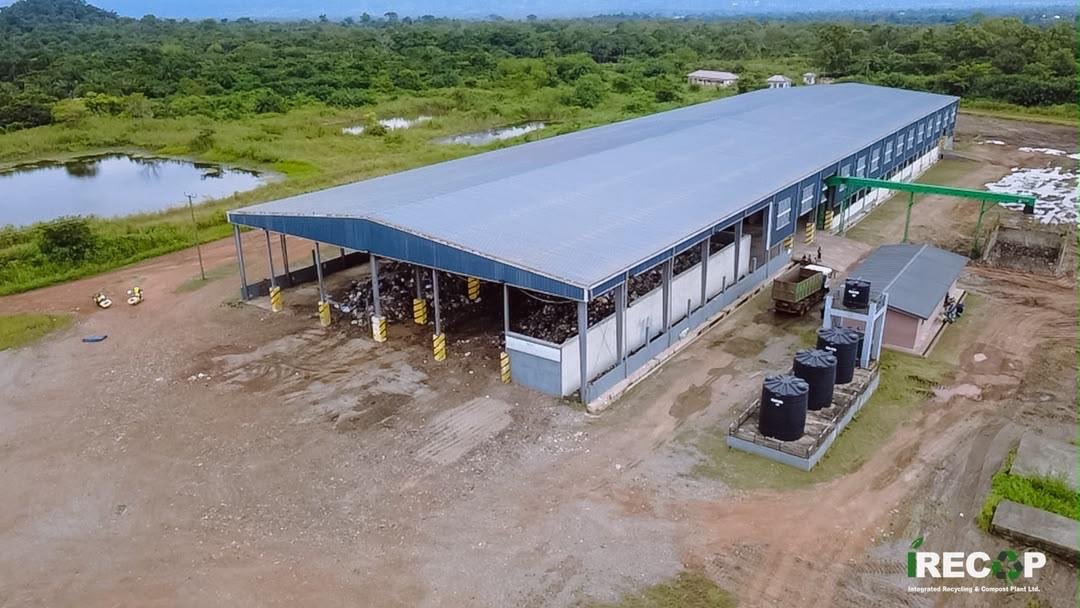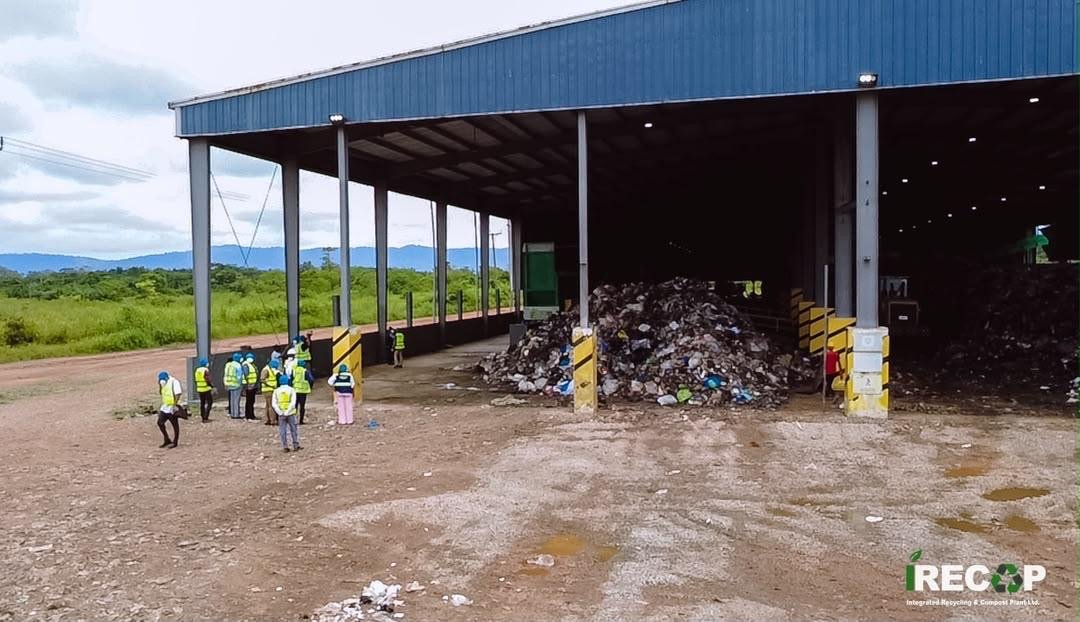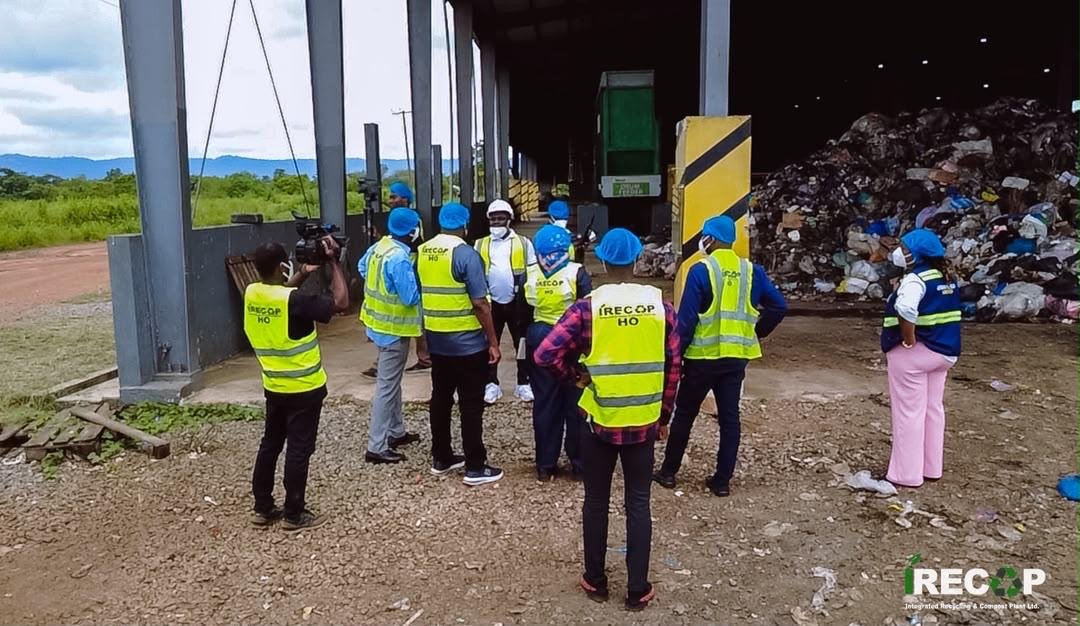






In a startling move, a parliamentary committee has urged for immediate support to strengthen waste management systems across the nation. The call comes in the wake of increasing public concern over the rising tide of waste and its environmental impact. Reports indicate that unsustainable waste management practices have led to overflowing landfills and pollution in several urban areas.
The committee’s chairperson, who spoke during a session held on October 10, emphasized the urgency of the situation. “We cannot afford to delay action any longer. The evidence is clear: our current waste management systems are failing,” the chairperson said. The committee’s recommendations reportedly include increased funding for waste management programs and the adoption of advanced recycling technologies.
As the country grapples with a burgeoning waste crisis, statistics suggest that nearly 60% of waste generated goes uncollected. This alarming figure has prompted calls for a comprehensive review of existing policies. According to sources familiar with the committee’s findings, the majority of urban centers lack adequate waste disposal facilities, leading to environmental degradation and public health risks.
In response to these concerns, the committee has proposed a series of initiatives aimed at revamping waste management. These include the establishment of public-private partnerships designed to improve collection efficiency and expand recycling rates. The report suggests that engaging local communities in waste management initiatives could also play a significant role in fostering responsible disposal practices.
Several stakeholders have voiced their support for the recommendations. An environmental activist stated, “The current state of waste management is unacceptable. We must prioritize sustainable solutions.” The activist pointed out that integrating community education programs could potentially reduce waste generation at the source.
The committee’s report is expected to be presented to Parliament in the coming weeks, where it will be subject to further debate. Sources indicate that some lawmakers are already pushing back against proposed funding increases, citing budget constraints. However, proponents argue that the long-term costs of inaction far outweigh the immediate financial implications.
Related News

Internationally, countries like Sweden and Germany have implemented successful waste management policies that have reduced landfill dependency significantly. The committee has suggested that learning from these models could provide valuable insights for improving local systems. A recent study highlighted that Sweden recycles nearly 99% of its waste, showcasing the effectiveness of robust management practices.
The legislative push for enhanced waste management comes amid a broader global movement toward sustainability. As cities around the world adopt greener practices, the pressure is mounting for local governments to keep pace. Recent surveys suggest that public awareness of environmental issues has surged, with many citizens demanding action from their leaders.
In light of these developments, some industry experts have called for a comprehensive national waste strategy. “A piecemeal approach will not suffice. We need a cohesive strategy that addresses all aspects of waste management,” one expert told reporters. The sentiment echoes throughout various sectors, underscoring the need for unified action to tackle the waste crisis.
As the committee prepares to present its findings, the conversation around waste management remains charged with urgency. Public interest in the issue is high, with many citizens taking to social media to express their concerns. The growing discourse highlights a palpable demand for accountability from lawmakers and local governments.



The implications of the committee’s recommendations extend beyond environmental concerns; they also touch on economic and social factors. Improved waste management could create jobs in the recycling and waste collection sectors, providing a double benefit to local economies.

The clock is ticking for policymakers. With the committee’s report on the horizon, the potential for change looms large, yet the path forward remains fraught with challenges. The outcome of this legislative effort could very well determine the future of waste management in the country, signaling a turning point in how communities address one of their most pressing issues.