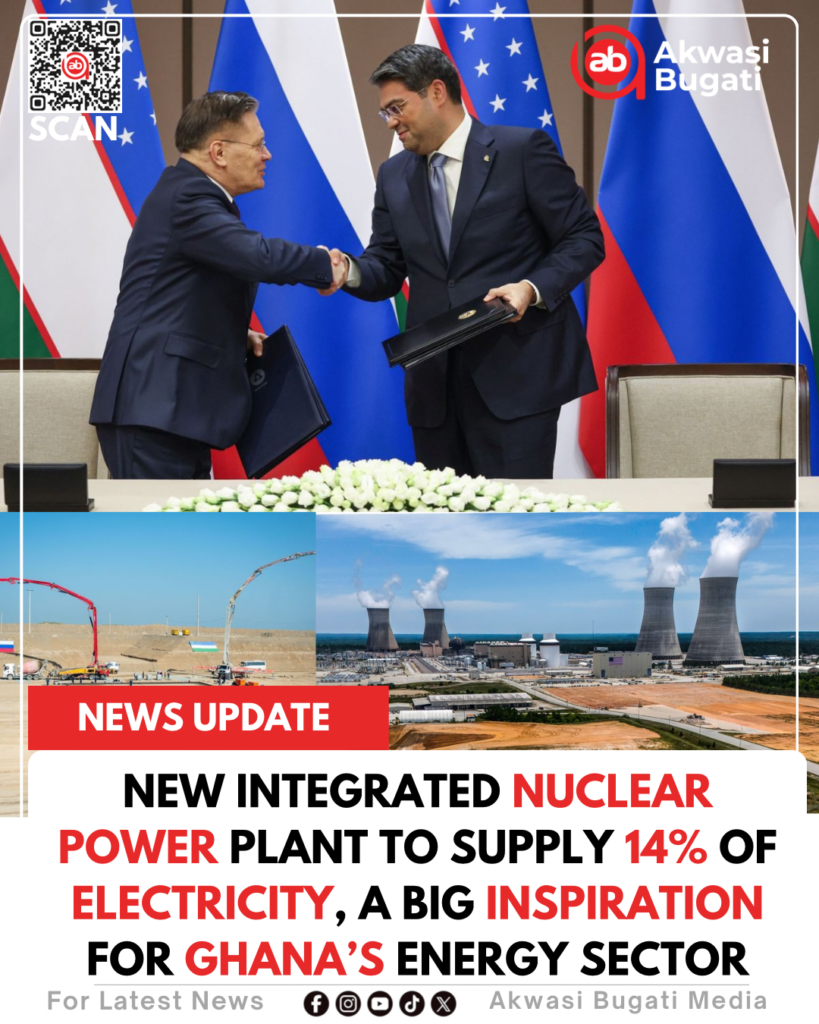






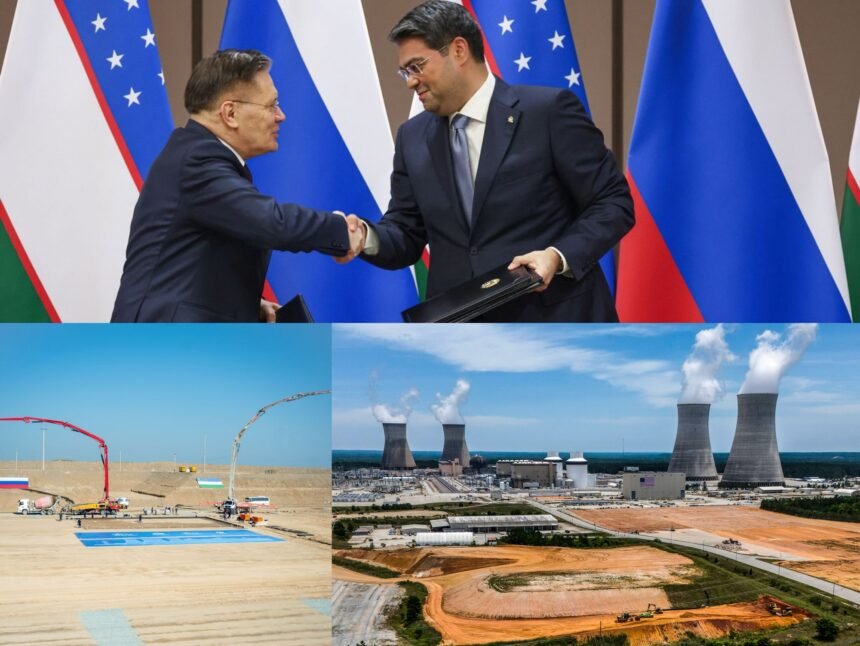
A new integrated nuclear power project unveiled by Rosatom is set to generate up to 14% of electricity demand in Uzbekistan, offering a model that Ghana could potentially adopt.
The project combines small modular reactors (SMRs) and large-scale nuclear units on a single site—featuring advanced RITM-200N reactors alongside high-capacity systems. Beyond energy production, it will create jobs for over 13,000 people during construction and about 2,000 permanent roles once operational.
A key feature is the development of an “atomgrad”—a purpose-built city designed to house scientists and support research in nuclear medicine, materials science, and advanced technologies.
Speaking at the Innoprom. Central Asia in Tashkent, Rosatom Director General Alexey Likhachev described nuclear energy as a major driver of economic growth and innovation.
Related News
Ghana, already collaborating with Rosatom and exploring floating nuclear power units, could benefit from adopting a similar hybrid approach—balancing small and large reactors to strengthen its energy security and industrial growth.